


Shopping for baby gear can be a joy. Tiny bodysuits, cute animal decor, whimsical mobiles? Pure delight! Zeroing in on the best car seat, though? That’s where things get complicated. Studies show that 97% of new parents find researching child safety products overwhelming, with car seats being their No. 1 concern. And, you know what? There’s good reason to worry. Motor vehicle injuries are a leading cause of death among children, but the right car seat — properly installed — can reduce the risk of injury by up to 82%. But here’s the rub: “Different seats work best for different families,” says Julie Mansfield, co-director of the Center for Child Injury Prevention Studies (CChIPS) and assistant professor at the Ohio State University’s Injury Biomechanics Research Center. “The safest car seat is always the one that you use correctly and consistently for every single trip.”
Quick Overview
Whether you’re shopping for your baby’s first infant seat or a convertible option that will last through the toddler years, we’ve rounded up the best car seats on the market. We dug into crash data, pored over reviews and consulted with pediatric ER doctors, safety experts and real parents to select the ones that truly excel. Here are the car seats that earned our trust.
Table of contents
Safest infant car seats in 2025

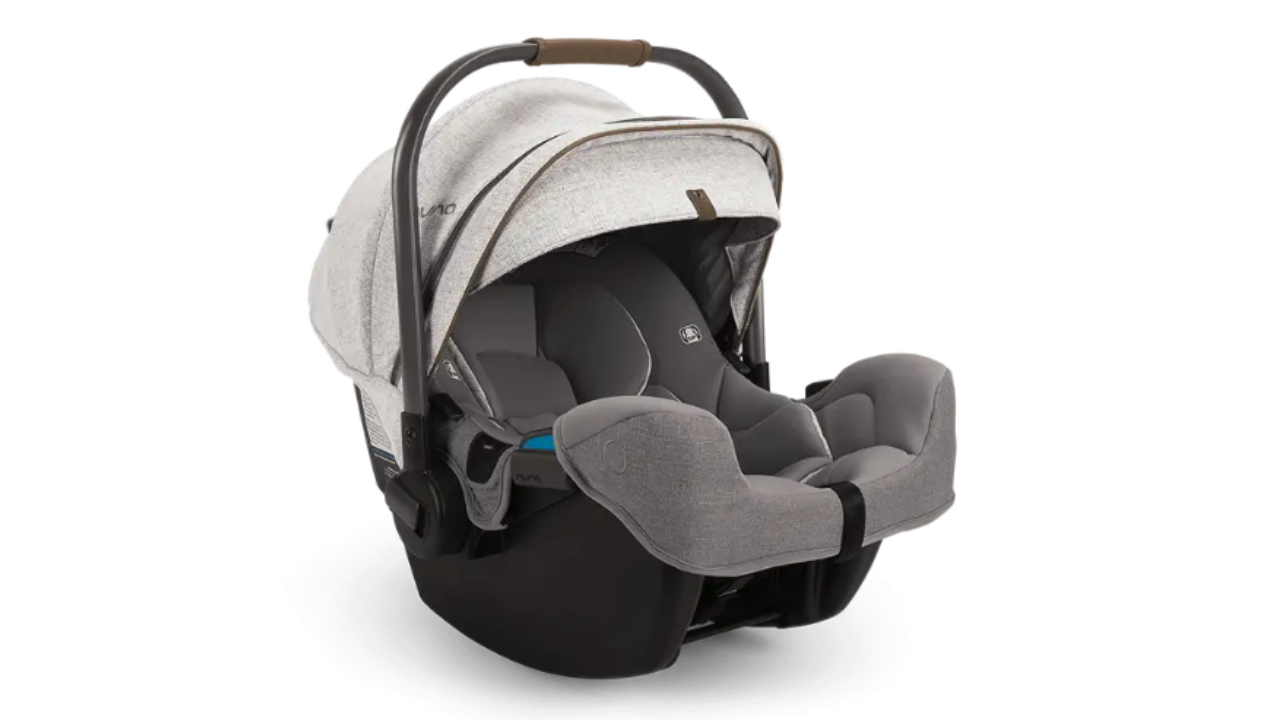
Nuna Baby
Weight limit: 32 lbs. | Height limit: 30 in. | Base width: 17.5 in. | Carrier weight: 7.6 lbs. | Base: Included | Expiration: 7 years | Recline: Four-position | Other Features: Greenguard Gold Certified, extendable UPF 50+ canopy, magnetic harness holders
While the Nuna Pipa RX’s $550 price tag makes it one of the more expensive infant car seats on the market, Kristin Revere, baby registry consultant and newborn care specialist, says that it’s consistently one of the most popular choices for her clients. And for good reason. The Pipa RX combines top-tier safety features — anti-rebound bar, load leg, rigid LATCH (which stands for Lower Anchors and Tethers for Children) and a lock-off system — with easy-install elements to help sidestep mistakes. “Even small things, like clear angle indicators and color-coded belt paths, make a big difference in avoiding errors,” says Gia Ramsey, a trauma injury prevention specialist at Maimonides Medical Center. The Pipa RX has both.
The Pipa RX has top crash test scores, but that’s just the start of this seat’s safety story. Its push-button adjustment offers four reclining positions using easy-to-follow guides. This feature is crucial since, according to the American Academy of Pediatrics, a too-upright position can cause a baby’s head to fall forward and obstruct breathing.
Grabbing an Uber with your little one? The European belt path routes the lap and shoulder belts around the car seat’s back for secure base-free installation. With clear guides marking the path, it’s no surprise that caregivers make 37% fewer errors with European belt routing than with traditional routing. That’s key since 70% of install errors involve seatbelts.
What parents say: Beyond safety, the parents we spoke to praise the magnetic UPF 50 sunshade. One said, “I really liked the magnetic sun shade for car and stroller naps, etc. It felt breathable; it was dark in there. Perfect!” The only real drawback (other than the price) is that the Pipa RX has a rethread harness, making adjustments a little less convenient.
- Anti-rebound bar
- Load leg
- Rigid LATCH
- Built-in belt lock-off
- European belt path for baseless installation
- Bubble level indicators on both sides
- Color-coded belt paths
- Magnetic harness holders keep buckles out of the way when loading Baby
- Rethread harness makes adjustments tricky
- Difficult to clean
- Expensive

Chicco
Weight limit: 35 lbs. | Height limit: 32 in. | Base width: 16.5 in. | Carrier weight: 10 lbs. | Base: Included | Expiration: 6 years | Recline: Six-position | Other Features: Greenguard Gold Certified, extendable UPF 50+ canopy
For a more affordable alternative to the Nuna Pipa RX, it’s hard to beat the Chicco KeyFit 35. Strong safety features define this popular car seat, including an anti-rebound bar, steel-reinforced frame, and energy-absorbing foam. Add a remarkably easy installation process and impressive crash test results, and you have a top contender. Parents and safety experts alike are especially drawn to the seat’s 35-pound rear-facing weight limit that allows babies to stay in the safest position longer.
Dr. Sadiqa Kendi, chief medical officer at Safe Kids Worldwide, says that, for extended rear-facing comfort, features like multiple recline positions and a deeper seat make the difference. The KeyFit 35 includes both. Other standout features include color-coded belt paths, no-rethread harness, dual bubble level indicators, European belt path and built-in lock-offs to help you get the installation right every time.
What parents say: The KeyFit 35 further simplifies setup with a clear instruction booklet and supplemental how-tos with illustrations printed on the seat. One mom of three we spoke with called it a “no-brainer pick.”
- Anti-rebound bar
- No-rethread harness
- Built-in lock-off
- European belt path
- Bubble level indicators on both sides
- Color-coded belt paths
- No load leg
- No rigid LATCH
- Heavier than similar options
- Fabric gets warm in the summer
Other top infant car seats we like in 2025:
-
Graco SnugRide SnugFit 35 XT ($420): Revere, who helps her clients select the best car seats for their needs, chose the Snugride for both her kids based on price, safety ratings, weight and ease of installation. While there are more affordable SnugRide options, the SnugRide 35 XT has some of the best crash test data. This isn’t surprising given its generous safety features, including a load leg, anti-rebound bar and belt lock-off. It can also keep babies (and toddlers) rear-facing up to 35 pounds. The biggest downside? It’s trickier to install than the also highly-rated SnugRide SnugFit 35 DLX ($239), which features a belt lock-off and anti-rebound bar.
-
Clek Liing ($500): The Liing is a worthy, but pricey pick. Like the Nuna Pipa RX, the Clek Liing features rigid LATCH connectors, a load leg and a built-in lock-off system — and it does a solid job in crash tests. Clear indicators confirm proper installation, while color-coded belt paths help prevent common mistakes.
Safest convertible car seats in 2025

Graco
Rear-facing weight limit: 50 lbs. | Forward-facing weight limit: 65 lbs. | Height limit: 49 in. | Seat width: 19.5 in. | Seat weight: 19 lbs. | Recline: Six-position | Expiration: 10 years | Other Features: 5-in. extendable legroom panel, dual cup holders, machine-washable padding
The Graco Extend2Fit consistently ranks as a top pick among parents and safety experts, with its steel-reinforced frame helping deliver exceptional crash test results, which is why Revere often suggests this seat to clients. Installation is straightforward with push-button LATCH connectors that provide an audible “click” when secure, while the no-rethread harness easily adjusts through 10 positions.
The Extend2Fit’s standout feature? A 50-pound rear-facing capacity at a fraction of the Nuna RAVA’s price. As one parent we spoke to said: “Keeping your child rear-facing for as long as possible is the safest option. And the Graco Extend2Fit is pretty much king on that front! My daughter is 21 months and still rear-facing.” The seat’s 5-inch legroom expansion panel — described as “clutch” by another mom we talked to — makes remaining rear-facing longer and more comfortable.
What parents say: While the Graco Extend2Fit doesn’t include some premium safety add-ons, like anti-rebound bar or belt lock-off, the crash test ratings — and parent satisfaction — don’t lie. “After having two other popular car seats, I’m now a Graco Extend2Fit gal for LIFE,” shared one mom we spoke with.
- Rear-facing up to 50 pounds
- Color-coded belt paths (forward-facing only)
- No-rethread harness
- 5-inch legroom expansion panel
- Higher LATCH weight limit (45 pounds)
- Steel-reinforced frame
- No belt lock-off
- No anti-rebound bar
- Wider than some competitors
- Cup holders detach a bit too easily

Nuna Baby
Rear-facing weight limit: 50 lbs. | Forward-facing weight limit: 65 lbs. | Height limit: 49 in. | Seat width: 19 in. | Seat weight: 27.9 lbs. | Expiration: 10 years | Recline: 10-position | Other features: Greenguard Gold Certified, dual flip-open cup holders, extendable calf support, 12 colors
Stylish, super safe and easy to install? That’s the Nuna RAVA. Users love the tensioner and lock-off system — one simple mechanism that tightens and locks the seat belt in place, making proper installation a breeze. Plus, the color-coded belt paths take the guesswork out of threading the belt correctly.
The RAVA is no slouch in the safety department either: Under the seat’s cozy, ventilated and moisture-wicking surface, an all-steel frame and energy-absorbing foam work together to protect your little one in an accident, helping the RAVA earn exceptional crash test ratings.
Perhaps the biggest safety perk is the seat’s 50-pound rear-facing weight limit. “Keeping children rear-facing longer is better for preventing neck and spinal cord injuries in the event of a crash,” says Ramsey. Another bonus? The extendable leg rest adds two inches of legroom, giving growing children more space while rear-facing.
What parents say: “We absolutely love this car seat!” reports one parent. “It’s wonderful to install and super easy to move between cars. It looks nice and cleans easily.” The reason it didn’t make our best overall pick? The price. At $680, this seat simply isn’t in the budget for every family. It’s also one of the heavier options on our list, weighing nearly 28 pounds.
Note: Nuna issued a voluntary recall for RAVA seats manufactured between July 2016 and October 2023 due to potential harness adjuster issues. Owners can request a free remedy kit through Nuna customer service.
- All-steel frame
- Color-coded belt paths
- Bubble-free recline indicator
- No-rethread harness
- Built-in tensioner/lock-off
- Two-inch legroom expansion panel
- Expensive
- Heavier than many competitors
- Subject to 2023 recall for harness adjuster
Other top convertible car seats we like in 2025:
-
Chicco NextFit Zip ($320): The steel-reinforced frame, energy-absorbing foam, belt lock-off, bubble indicator, color-coded belt pathway and strong crash test performance make this convertible seat another standout. While the LATCH tightening system and bubble level indicators help with proper installation, the process also involves pulling two separate straps in sequence, which can be tricky. The seat accommodates children from 5 to 65 pounds, with extended rear-facing capacity up to 40 pounds. The NextFitZip, is heavier than many competitors at 25 pounds, but the zip-off cover makes cleaning simple.
-
Evenflo Tribute ($80): This no-frills convertible seat delivers impressive crash test results at a remarkably low price. It even outperforms some costlier seats. That said, installation takes extra effort due to basic hook-style LATCH connectors and the lack of a lock-off system. One Amazon reviewer notes, “It’s not any harder than any other basic car seat, but it is not always easy.” The seat accommodates children from 5 lbs. to 40 pounds, and its narrow 18.5-inch width works well in tight spaces. The minimal padding and basic plastic shell reflect its budget price, but for families prioritizing safety and affordability, it’s a solid option.
Safest all-in-one car seats in 2025

Graco
Rear-facing weight limit: 50 lbs. | Forward-facing weight limit: 65 lbs. | Booster weight range: Up to 100 lbs. | Height limit: 49 in. | Seat width: 19 in. | Seat weight: 21.9 lbs. | Expiration: 10 years | Recline: Six-position | Other features: 5-inch extendable legroom panel, dual cup holders
Building on everything we love about the convertible version of this safety seat — including an easy install — the Graco Extend2Fit 3-in-1 adds high-back booster capability while maintaining an impressive crash test performance. High-back boosters like this one offer a shoulder belt guide, which helps safety belts fit your growing kiddo correctly. Like its convertible sibling, this one also features a 5-inch extension panel for extra rear-facing legroom. And at a slightly narrower and taller profile than the convertible model, it’s an even better fit for many vehicles (especially if you have multiple car seats to fit into your backseat).
What parents say: The real-world performance of this seat was powerfully demonstrated by one mom, who offered a 5-star Amazon review: “We were involved in a high-speed crash, and all of my kids were completely unharmed because of this car seat. I can’t say enough good things about this seat. They’re a bit bulky, but easy to install, and the safety can’t be beat.”
- Steel-reinforced frame
- 5-inch extension panel for rear-facing comfort
- No-rethread harness
- Cup holders detach easily for cleaning
- Lower LATCH weight limit than convertible version
- No belt lock-off
- Bubble level indicator only on one side

Graco
Rear-facing weight limit: 40 lbs. | Forward-facing weight limit: 65 lbs. | Highback belt booster weight limit: 100 lbs. | Backless booster weight range: 120 lbs. | Height limit: 57 in. | Seat width: 19.3 in. | Seat weight: 21.4 lbs. | Expiration: 10 years | Recline: Six-position | Other features: Machine-washable covers, dual cup holders, two booster modes
Not only does this car seat boast some of the best crash testing ratings, but at $300, the Graco 4Ever DLX is a solid deal for a seat that offers a decade of use from 4 to 120 pounds, including both high-back and backless booster modes. At 21.4 pounds, it’s lighter than many competitors, though its 19.3-inch width may be tight for a three-across setup.
For added protection, you can upgrade to the Premier 4Ever DLX ($499). This pricier model features an anti-rebound bar and allows for rear-facing up to 50 pounds, 10 pounds more than the non-Premier version.
What parents say: “We chose this all-in-one for its long-term value,” said one parent, who highlighted how the steel-reinforced frame and side-impact protection “added to our confidence in its safety.”
- Excellent value
- Some of the best crash testing ratings
- Easy installation
- Side-impact protection
- Cup holders detach easily for cleaning
- Belt lock-off
- No rethreading
- No anti-rebound bar
- Not as cushiony as the Extend2Fit 3-in-1
Other top all-in-one car seats we like in 2025:
-
Chicco Fit4 4-in-1 ($304): Installation simplicity sets this seat apart. In fact, it’s frequently cited by experts and reviewers as one of the most user-friendly all-in-ones, whether using LATCH connectors or a seat belt. And this convenience doesn’t compromise safety, as proven by excellent independent crash test results. The Fit4 4-in-1 grows with your child from newborn (4 pounds) through the big-kid years (100 pounds), with the booster mode boasting well-designed belt guides and excellent belt fit. Chicco’s commitment to safety extends to customer care. When one parent reported headrest foam separation after three years, the company sent a replacement immediately, even outside warranty coverage. Worth noting: LATCH use maxes out at 35 pounds rear-facing.
-
Graco Turn2Me 3-in-1 ($370): The pricier Graco Turn2Me justifies its cost with an innovative rotating design that eliminates awkward twisting, making buckling your child in — and taking them out — of the car seat easier. Aside from convenience, its safety features, like the steel-reinforced frame and energy-absorbing foam, plus impressive crash test results, make this a top pick. It’s heavy at 30 pounds and wider than non-rotating models, but it’s actually one of the more compact rotating seats out there.
Safest booster seats in 2025

Nuna Baby
Booster type: High-back and backless | High-back booster weight limit: 100 lbs. | Backless booster weight limit: 120 lbs. | Height limit: 60 in. | Seat width: 16 in. | Seat weight: 15.9 lbs. | Recline: Eight-position | Expiration: 10 years | Other Features: Greenguard Gold Certified, nine-position headrest
The high-back Nuna AACE booster scored off-the-charts in crash testing with more than a little help from its side-impact padding and adjustable headers. “Energy-absorbing foam and adjustable headrests help distribute crash forces more evenly,” says Ramsey. “Plus, a high-back booster with clear belt guides often helps keep the lap and shoulder belts in the right place,” she adds. Sure enough, the AACE’s colored guides make installation practically goof-proof.
The seat’s rigid LATCH system anchors firmly to your vehicle — not for crash protection, but to prevent shifting when empty and ensure zero slippage when your little acrobat climbs in and out. The AACE grows brilliantly with your child too, as its shoulder width expands right along with the headrest.
The brand claims the AACE is free of PFAs (“forever chemicals”) and flame-retardant chemicals, which is why it often wins over eco-conscious families. “A lot of my clients value eco-friendly or ‘nontoxic’ car seats like the Nuna,” notes Revere.
What parents say: Parents love the seat’s versatility: It converts to a backless booster for easy travel and carpooling. At 16 inches wide, it’s one of the narrower options available, though its 15.9-pound weight in high-back mode takes some muscle to wrangle.
- Rigid LATCH connnectors
- Narrow design
- Nine-position headrest
- Converts from high-back to backless
- Heavy
- Narrow cup holder
- Must push seat away from buckle for easier access

Chicco
Booster type: High-back and backless | High-back booster weight limit: 100 lbs. | Backless booster weight limit: 110 lbs. | Height limit: 57 in. | Seat width: 17 in. | Seat weight: 11 lbs. | Expiration: 8 years | Recline: Two-positions | Other features: Dual cup holders that fold away, kid console, 10-position headrest
The Chicco KidFit Zip Air Plus 2-in-1 Booster features two layers of side-impact protection and impressive crash test scores. Kids especially like how the shoulder guide helps them buckle up properly and the extendable leg rest offers comfort for longer rides. Meanwhile, parents are into the zip-off cover for easy cleaning. With high-back and backless modes, breathable 3D AirMesh fabric, a contoured seat and a zip-on cushioned leg rest, your kid will be more than comfortable on quick drives to school or longer road trips.
What parents say: This lightweight booster has over 1,100, 5-star reviews on Amazon, with satisfied parents (and grandparents) praising it for its easy install, quick release and overall comfort. According to one 5-star reviewer, “Did plenty of research, and this seat had high crash test ratings and was recommended by multiple reputable sources. Reasonable price as well so that was a plus. Our first time trying the Chicco brand as we have used Britax for our convertible seats. Easy install, materials seem to be good quality and my child finds it very comfortable. Foot rest and snack/toy tray are nice to have.”
- Relatively affordable
- DuoGuard protection
- 10-position headrest
- Quick-release LATCH for easy removal
- Converts from high-back to backless
- Mesh fabric for breathability
- Lightweight
- Some complain it’s too upright
Other top booster seats we like in 2025:
-
Chicco KidFit ClearTex Plus ($110): At 10 pounds, this budget-friendly booster is lighter than many alternatives and switches easily between vehicles thanks to its straightforward LATCH system. It also effortlessly adjusts from high-back to no-back. The KidFit ClearTex Plus offers good accident protection with energy-absorbing foam and side-impact padding, which Ramsey says, “helps to distribute crash forces more evenly.” That said, it’s important to note that while crash test results were good, they weren’t exceptional.
-
UPPAbaby Alta v2 ($230): Strong crash test results pair with a unique lap belt positioner that prevents sliding, especially helpful for car naps. The cozy seven-position headrest helps with the Zzzs, too, though overall padding is thinner than some competitors. While the Alta v2 is hefty at 17 pounds, its narrow 17.5-inch width makes it ideal for fitting multiple seats across.
-
Chicco GoFit Plus ($63): This backless option stands out for simplicity and budget-friendly price. One-hand release and an easy-carry handle make switching vehicles easy. And, at just 6 pounds, it’s ideal for carpools. The thick double-foam padding holds its shape well, while built-in guides help kids position their seatbelts correctly.
Car seat types: A quick guide
When shopping for car seats, one of the first decisions you’ll face is choosing the right type. Some car seats are designed for specific age and size ranges, while others are built to grow with your child over time. Keep reading for a quick breakdown of each type of car seat — along with their pros, cons, safety features and other helpful tips.
Rear-facing infant car seat
These car seats are specifically for newborns and infants. Depending on the model, many come with attachments that allow you to go from car to stroller without having to take your baby out (a major plus to avoid disturbing naptime).
Advertisement
Advertisement
-
Weight range: 4 lbs. to 35 lbs. (varies by model)
-
Height range: Up to 35 inches (varies by model)
-
Pros: Portable design for carrying your baby, car base for easy one-time installation, 5-point harness system
-
Cons: Rear-facing only, some babies grow out of their infant seat relatively quickly
-
Safety: “Rear-facing seats support babies from underneath and direct crash forces through the strongest part of their body, helping to protect your baby’s head, neck and spinal cord,” notes Mansfield.
-
Important note: “Babies’ and toddlers’ heads are larger in proportion to their bodies than older children and are still building neck muscle strength,” says Kendi, adding, “That means remaining rear-facing provides the best protection for these children.” Keep your child rear-facing until they reach their seat’s maximum height or weight limit.
Convertible car seat
If having a car seat that can be used with a stroller isn’t a top priority, then a convertible car seat is worth considering. These seats can be used from birth to the toddler years, offering both rear- and forward-facing modes.
-
Weight range: 4 lbs. to 65 lbs. (varies by model)
-
Rear-facing limits: Up to 50 lbs. (varies by model)
-
Height range: Up to 49 inches (varies by model)
-
Pros: Adjusts as your child grows, 5-point harness system
-
Cons: Bulkier than infant seats, no carrying handle or separate base
-
Safety: When rear-facing, a convertible car seat protects a baby’s head, neck and spine by spreading crash forces across the body. When forward-facing, the 5-point harness (attached at the shoulders, hips and between the legs) distributes impact forces while the tether prevents excessive head movement.
-
Important note: Convertible car seats often allow children to stay rear-facing for two years or more or up to 50 pounds, making these seats a great pick for keeping bigger babies and toddlers rear-facing for longer.
All-in-one car seat
All-in-one car seats are the most versatile option, transforming from rear-facing to forward-facing to a booster. As with convertible options, all-in-one seats are bulkier to transport than infant car seats and aren’t designed to click into a stroller.
-
Weight range:
-
4 lbs. to 50 lbs. rear-facing (varies by model)
-
Up to 65 lbs., forward-facing with harness (varies by model)
-
Up to 120 lbs., without harness as a booster (varies by model)
-
-
Height range: Up to 52 inches in booster (varies by mode and model)
-
Pros: Larger than convertible seats, adjusts as your child grows, good value
-
Cons: No carrying handle or base, bulkier than infant seats and stand-alone boosters
-
Safety: Functions like a convertible seat in rear- and forward-facing modes. When used as a booster, you use your vehicle’s seat belt across your child’s chest and hips — the strongest parts of their body — to help reduce injury during a crash.
-
Important note: While all-in-ones offer excellent value, by the time your child reaches booster-seat age (typically between 4 and 7), newer seats might offer improved safety features and easier installation options. Revere also cautions, “All-in-ones are heavier than other options and difficult to travel by plane — or move from car to car.”
Booster seat
A booster seat is for older kids whose weight or height exceeds their forward-facing seat’s limits. In other words, this is the last car seat your child will need. While it’s enticing for parents since boosters can be lighter and less bulky, it’s important not to move your kid to a booster before they’re developmentally ready.
-
Weight range: Up to 120 lbs. (varies by model)
-
Height range: Up to 60 inches (varies by model)
-
Pros: High-back versions provide head and neck support when vehicles lack headrests
-
Cons: Backless versions require a headrest
-
Safety: Boosters “boost” children for proper seatbelt fit. The lap belt should lie low across the upper thighs, and the shoulder belt should cross the middle of the chest and shoulder, staying off your kid’s neck.
-
Important Note: “One of the biggest booster seat safety issues I see is kids being moved into booster seats too soon,” says Ramsey. In fact, it’s estimated that 80% of parents spring their children from boosters too soon. Most children don’t age out of a booster until they’re 10 to 12 years old—or 4 feet 9 inches tall, reports the American Academy of Pediatrics. Your child’s knees should bend at the edge of the seat when their back and bottom are against the seat back. Their feet should comfortably touch the floor.
What to look for in a car seat
“The basic safety rules to consider before buying any car seat are that the seat fits your child and your vehicle—and you’ll use the car seat consistently and correctly,” says Joe Colella, director of child passenger safety for the Juvenile Products Manufacturers Association (JPMA).
Advertisement
Advertisement
Here’s what that means:
-
Fits your child: Choose a seat that matches your child’s height, weight, age and developmental needs. As your child grows, regularly check whether their seat is still a good fit, or if it’s time to move them to a different mode — or a new seat altogether.
-
Fits your vehicle: More than 40% of car seats don’t align properly with vehicle seats. “Before buying, ask to test the seat in your car,” advises Mansfield.
-
Installed correctly: While all U.S. car seats meet federal safety standards, proper installation is crucial. Follow both your car seat and vehicle manual instructions carefully.
-
Has installation safety features: “I always suggest looking for features that make the seat easier to use correctly, since ease of use directly supports safety,” says Ramsey. Some key features to look for:
-
Rigid LATCH: Metal connectors that click directly into vehicle anchors; more common on infant seats.
-
Seat belt lock-off system: Built-in clamps that prevent the belt from loosening.
-
Clear recline/level indicators: Bubble or line markers that help ensure a correct seat angle.
-
No-rethread harness: Adjusts harness height without removing straps.
-
Clear seat belt guides: Marked paths showing proper seat belt positioning for boosters.
-
Advanced safety features to consider
“While every car seat meets federal safety standards, some offer added features that can help manage crash forces or reduce the chance of misuse,” says Ramsey. Here are some key added safety features to look for:
-
Load leg: Also called stability leg, this feature braces the car seat against the floor of the vehicle, reducing forward rotation in the initial phase of a crash and offering notable protection, says Mansfield. Research shows that load legs can reduce a baby’s risk of head injury by about 46%. This feature is typically found only in infant seats.
-
Anti-rebound bar: Sometimes called an anti-rebound base, an anti-rebound bar helps absorb the energy of a crash, protecting children from rearward rotation during the second phase of a car accident.
-
Enhanced side-impact protection: While all car seats made after June 30, 2025, must meet side-impact regulations, many current models are already crash-tested for improved outcomes, says Colella.
Remember: None of these features are required, and they do not replace proper installation and use. “But if they make it easier for you to install the seat correctly — or offer added peace of mind — they are worth considering when choosing a car seat,” says Ramsey.
Installation and usage tips
“A car seat may perform well in crash tests, but if installed incorrectly or misused — with loose harness straps or poor fit — it puts children at greater risk of injury,” warns Ramsey. In fact, only about 10% of car seats are installed completely correctly, according to a report in Traffic Injury Prevention.
Advertisement
Advertisement
Ready to load your newly-purchased car seat into your vehicle? Follow these tips from Ramsey to ensure a proper install:
Before you start:
-
Check your car safety seat instructions and vehicle owner’s manual.
-
Register your car seat with the manufacturer to help ensure you receive recall and safety notices about your car seat.
-
If you are re-using a car seat for a younger child, check for recalls and the expiration date (most car seats are good for 6 to 10 years).
-
For peace of mind, consider visiting a certified child passenger safety technician (CPST) for help. You can locate one in your area by visiting the National Child Passenger Safety Certification website.
Installation basics:
-
Car seats should not move more than 1 inch side-to-side or front-to-back at the belt path.
-
Make sure the seat is at the correct angle to prevent head slump.
-
Always attach the top tether when forward-facing — a commonly missed step.
-
Car seats should always be installed in the backseat, never the front.
Position and fit:
-
Keep children rear-facing as long as their seat allows.
-
Never use a seat belt and LATCH attachment at the same time. Choose the one that provides the most secure fit.
-
When rear-facing, harness straps should be at or slightly below shoulder level.
-
When forward-facing, harness straps should be at or slightly above shoulder level.
-
Harness straps need to be snug enough that you can’t pinch any slack over shoulders.
-
Harness straps should never be twisted.
-
Chest clips must be at armpit level.
-
All buckles must click in securely.
-
Place blankets and puffy coats over tightened harness straps, never under.
How we found the safest car seats
Our search for the best and safest car seats started by consulting experts, including pediatric emergency doctors, child safety researchers, certified car seat technicians and seasoned baby gear specialists who guide new parents through these crucial decisions. We also dove deep into crash test data and lab results.
To understand real-world performance, we also interviewed numerous parents and analyzed verified customer reviews, because sometimes the true test of a car seat comes after months of daily use. While we didn’t crash-test seats ourselves (we left that to the safety engineers!), every recommendation on our list has proven itself through independent testing and real-life use.
FAQs
What is the safest car seat?
“All car seats designed for sale in the United States must meet stringent safety regulations, providing protection for babies and children riding in them — regardless of the sticker price,” assures Colella. This means the safest car seat is the one that works best for your family. In short, it’s the car seat “that you’ll use correctly and consistently for every single trip,” says Mansfield. That said, some car seats have better crash ratings than others.
Is it OK to buy a used car seat?
The short answer is no. “Generally, you should only use a secondhand car seat if you know its full history,” says Ramsey, adding, “The seat must never have been in a crash, should not have expired and must have all parts, labels and the instruction manual. It is always safer to get a new seat.”
Will car seats be affected by tariffs?
Unfortunately, yes. “Car seat prices are increasing due to a 145% tariff on Chinese imports—significant since China produces about 90% of baby and children’s products,” says Colella. While manufacturers and safety organizations are advocating for exemptions on these essential safety items, prices may continue rising. If you’re expecting a baby or need to upgrade your child’s car seat soon, consider purchasing sooner rather than later. Also look for sales at major retailers, especially during Baby Safety Month in September and the holiday season in November and December.
What are the updated 2025 safety standards for car seats?
Starting June 30, 2025, all car seats in the United States must meet updated safety requirements set by the National Highway Traffic Safety Administration. The new regulations are intended to improve side-impact protection.
Do the new rules mean I can’t use my current car seat?
No. As long as your car seat is installed correctly, still fits your child and isn’t expired, your current car seat is safe to use.
Meet our experts
-
Gia Ramsey, licensed practical nurse and trauma injury prevention specialist at Maimonides Medical Center in Brooklyn, NY
-
Julie Mansfield, PhD, co-director of the Center for Child Injury Prevention Studies (CChIPS) and assistant professor at the Ohio State University’s Injury Biomechanics Research Center
-
Joe Colella, director of Child Passenger Safety for the Juvenile Products Manufacturers Association (JPMA)
-
Sadiqa Kendi, MD, chief medical officer at Safe Kids Worldwide and associate professor of pediatrics and emergency medicine at George Washington School of Medicine and Health Sciences in Washington, D.C.
-
Kristin Revere, baby registry consultant, newborn care specialist, certified birth and postpartum doula and founder of Gold Coast Doulas in Grand Rapids, Mich.
Our health content is for informational purposes only and is not intended as professional medical advice. Consult a medical professional on questions about your health.


